My Process
Product design is chaotic. A repeatable process is what makes it succeed — for a molded part, a clinician app, or the lifecycle a whole team ships through.
I use the same six phases for physical and digital products, with different methods and deliverables on each track. Hired as a designer, I often end up building the infrastructure that lets product, UX, engineering, and leadership run this process together.
-
Define
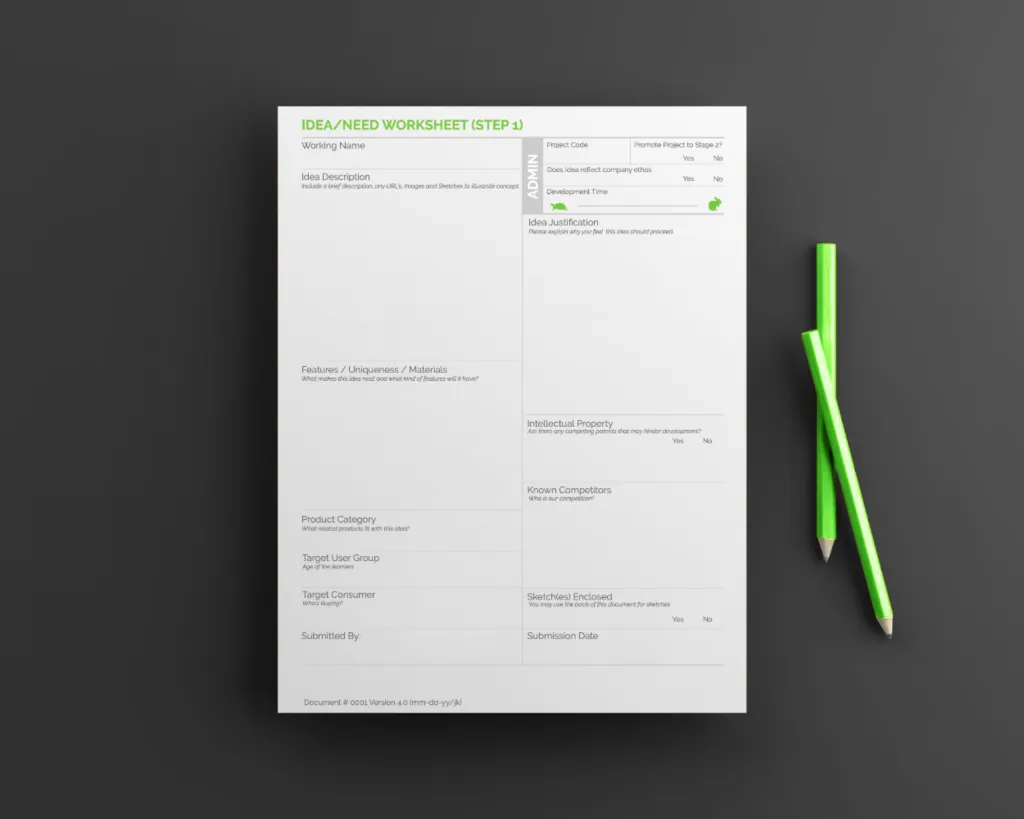
Solidify a design brief with key stakeholders so the project keeps its trajectory.
Methods and deliverables
Questions
- What is the objective, and why should this product exist?
- What are the business goals and opportunities?
- Who is it for?
- What are the preliminary requirements and known constraints?
- When will it launch?
-
Understand
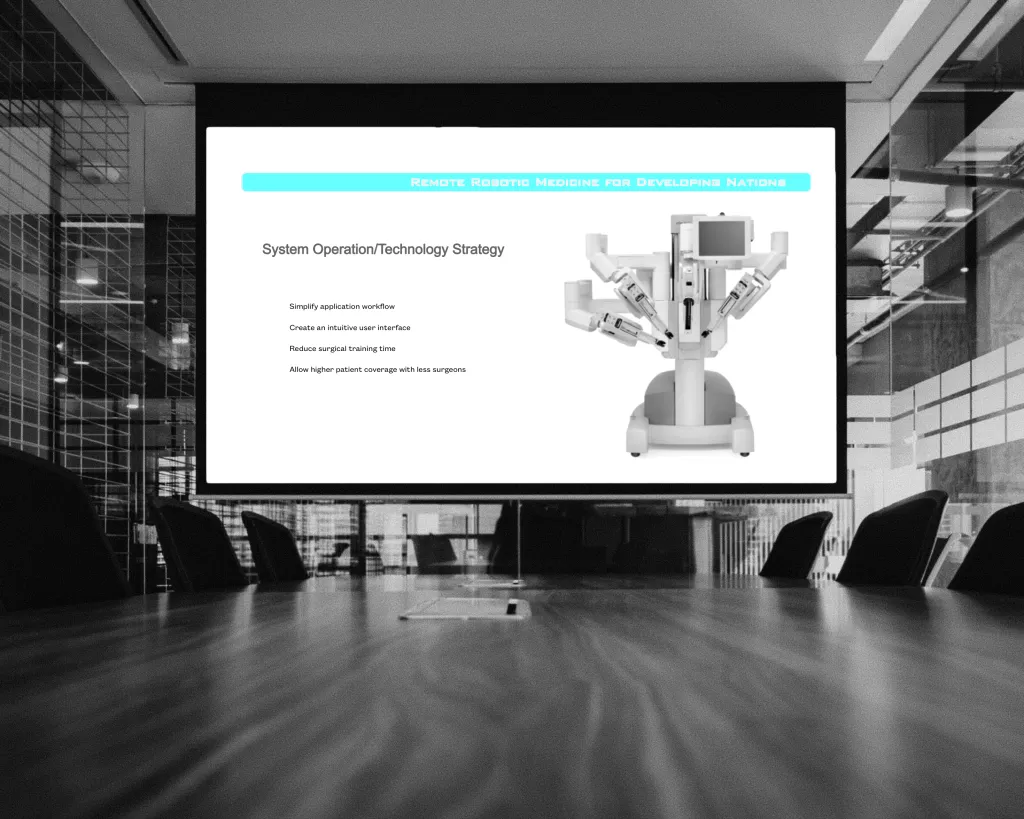
Research gives a foundation for informed design choices and exposes pitfalls early.
Methods and deliverables
Methods, chosen by circumstance
- Research plan
- Personas and mental models
- Interviews, observation, surveys, and feedback review
- Audits and formative usability testing
- Competitive and IP analysis, done after early concepts so existing solutions don’t anchor the work
- Analysis: success metrics, new risks, and whether the brief should change
-
Conceptualize
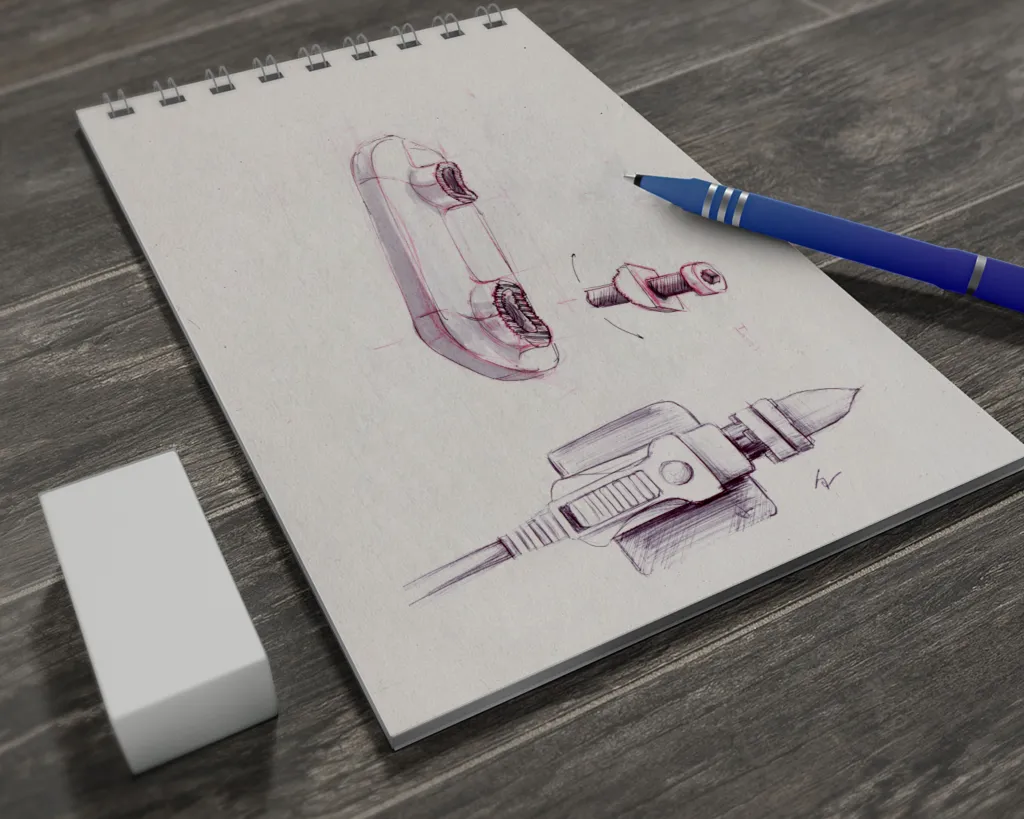
Brainstorming, mind mapping, and sketching feed prototypes. Validation runs inside this phase so effort isn’t spent at a dead end.
Methods and deliverables
Physical products
- Sketch models and 3-D prints
- Proofs of concept
- Renderings
Digital products
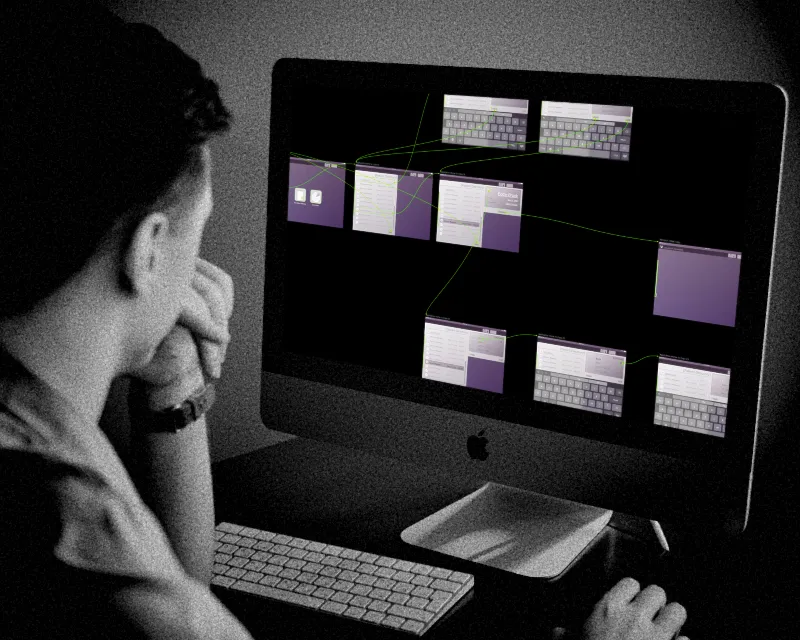
- Storyboards and user flows
- Wireframes (validation round 1)
- High-fidelity mockups (round 2)
- High-fidelity prototypes (round 3)
-
Validate
Research data and testing models quantify whether the concept works and the project is on track.
Methods and deliverables
Both tracks
- Test plan
- Benchmark testing and accessibility evaluation
- A/B tests and design review
- Usability feedback and testing review
Physical products
- Prototype tooling and first articles
- Mechanical testing, high-speed video analysis, FEA
- Static, dynamic, biochemical, and chemical testing
Digital products
- Usability testing at wireframe, mockup, and prototype fidelity
- Usability bug review
-
Implement
Serve engineering’s needs while making sure the project goals survive the build.
Methods and deliverables
Physical products
- Manufacturing plan and design transfer
- Manufacturing 3-D models, drawings, and first-article samples
- Marketing support: instruction illustrations, packaging, photography, renderings
Digital products
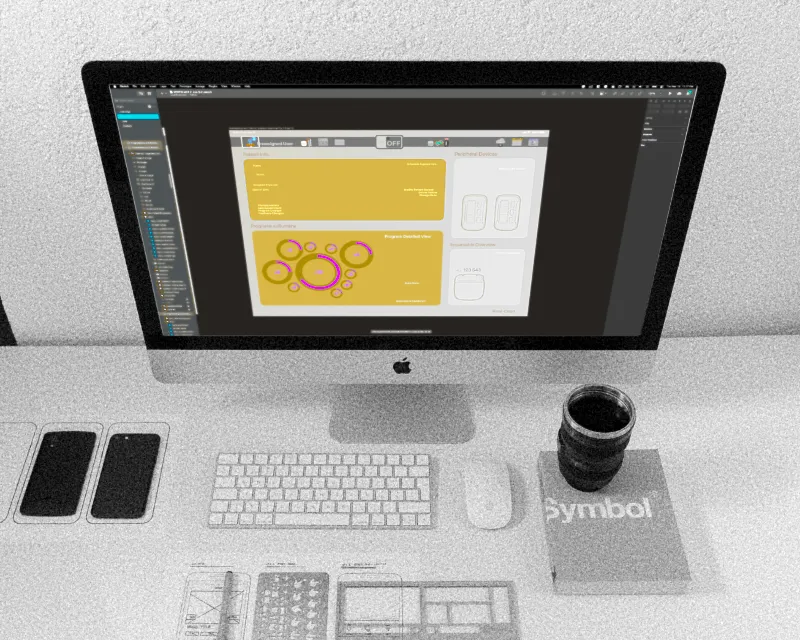
- Style guide and asset library
- Interaction animations to guide engineering
- Design handoff specifications and state diagrams
- Components published into developer repositories
-
Review
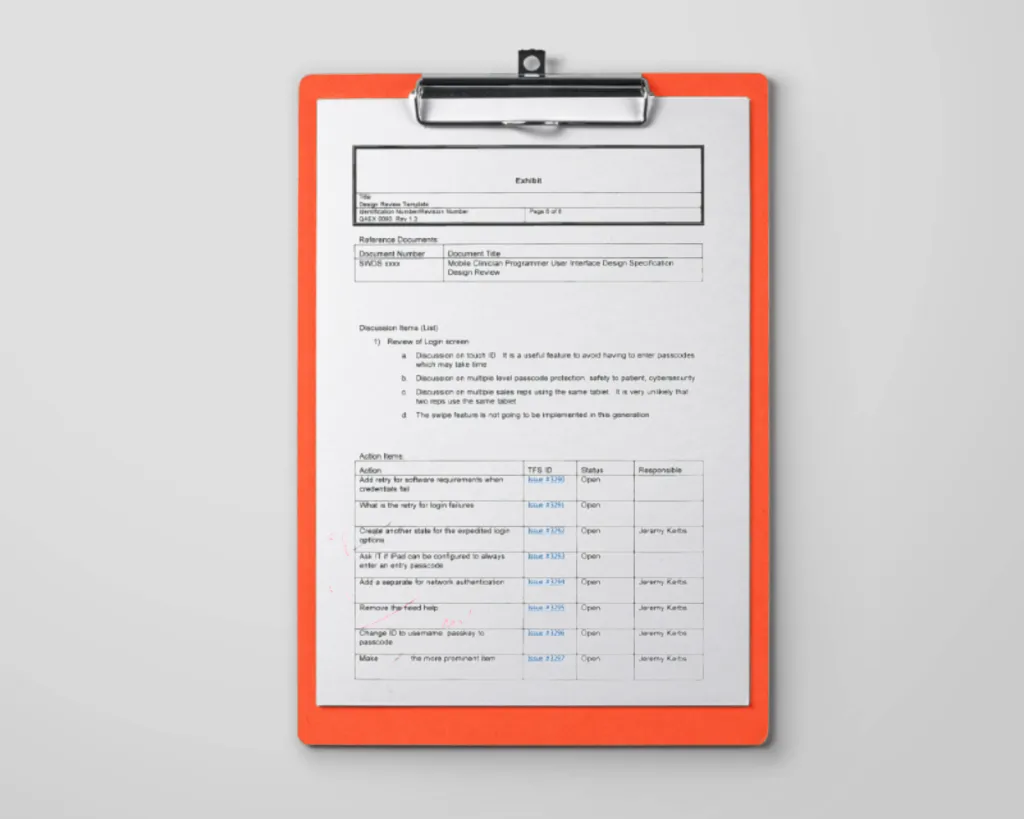
A project review improves the next one by naming mistakes and reinforcing what worked.
Methods and deliverables
Questions
- What did we learn?
- What compromises were made, and why?
- What should be different next time?
- How was the project successful?
How the process scales
-
Frame the system
Map constraints across usability, architecture, hardware, manufacturing, and maintainability before correcting downstream.
-
Prototype as authority
Working prototypes sell a complicated idea far better than static mock-ups. What the team can click, hold, or build against becomes the shared source of truth.
-
Connect design to code
Atomic design systems registered against engineering’s build system, with publishing pipelines that push components and icons into developer repositories.
-
Encode the process
AI-assisted workflows and internal tooling that let people and agents follow the same intake, criteria, review, and delivery rules across disciplines.
Philosophy
I close the gap between how people think and how machines work. Sketches, CAD, prototypes and process are just the tools for that.
- Follow the process
- Learn before deciding
- Know what each teammate does best
- Pride without ego
- Never trade function or usability for looks