At a glance
- Problem
- Sword needed a Nett Warrior case that undercut Juggernaut Case on price, sealed the phone, and had a fold-down hinge strong enough for parachute-opening shock.
- My role
- Designed the case system; co-designed the MOLLE mount and plate-carrier interface with a soldier advisor. A manufacturing engineer completed the engineering.
- Result
- Finished design in about six months, then a small early production run in cast urethane. The case reached soldiers.
- Client
- Sword International (later Kägwerks)
- Role
- Design consultant: case, seals, buttons, clip, cable overmold, and mount, through finished design
- Timeframe
- 2014–2015
- Team
- Designed the case system; the MOLLE mount and plate-carrier interface with Joe, a soldier advisor; a manufacturing engineer completed the engineering for tooling
- Disciplines
- Defense · Injection Molding · Prototyping
- Outcome
- Kickoff to finished design in about six months; cast-urethane early production run
- Client
- Sword International (later Kägwerks)
- Role
- Design consultant: case, seals, buttons, clip, cable overmold, and mount, through finished design
- Timeframe
- 2014–2015
More details
- Team
- Designed the case system; the MOLLE mount and plate-carrier interface with Joe, a soldier advisor; a manufacturing engineer completed the engineering for tooling
- Disciplines
- Defense · Injection Molding · Prototyping
- Outcome
- Kickoff to finished design in about six months; cast-urethane early production run
Context
Nett Warrior is the US Army’s system for giving dismounted soldiers a shared map of where everyone is. Its centerpiece in 2013–2014 was a commercial Samsung Galaxy Note II, worn on the chest and wired by USB to a radio on the hip (US Army). A consumer phone on a soldier’s chest needs a case and a mount built for that life.
Sword International hired me as a design consultant, through my studio Droid Replicator, to design that case and mount. Kägwerks later split off from Sword and sold the case under its own name. I designed the case system and worked with Joe, a soldier advisor, on the MOLLE mount and how it attaches to the plate carrier. Once the design was finished, a manufacturing engineer completed the engineering for tooling.
Problem
The market leader, Juggernaut Case, already made Nett Warrior cases. Sword needed to compete on price, and the case had to keep working in conditions consumer cases never see.
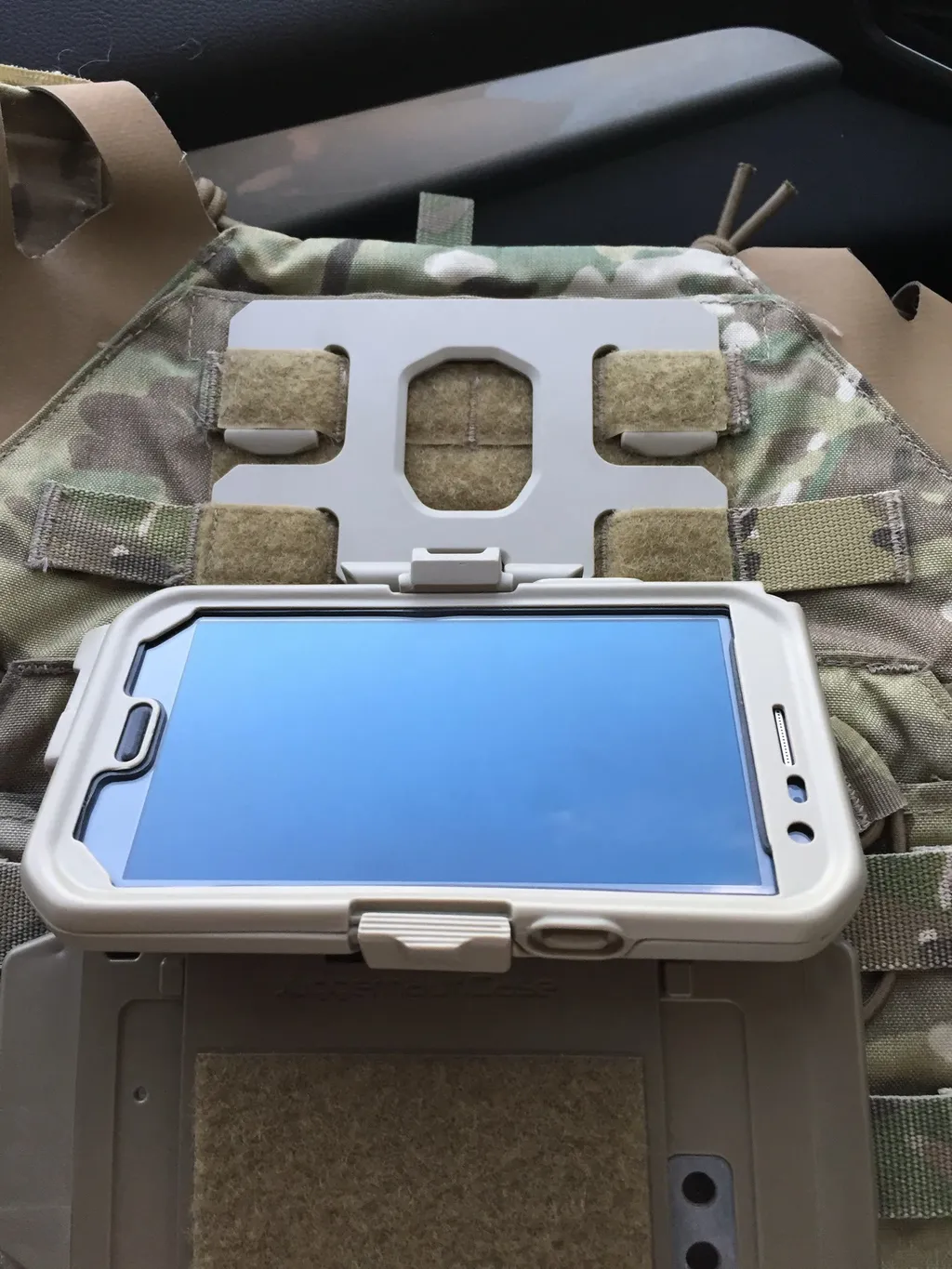
- A phone on a soldier’s chest The Note II rides on the plate carrier and folds down when the soldier needs the screen.
- Opening shock The design had to allow for parachute use: when a parachute opens, the soldier stops hard, and the case swings on its hinge.
- A hinge that can’t fail The fold-down hinge had to be strong enough to take those forces, at a price below the market leader.
Constraints
- Compete with Juggernaut Case on price.
- Seal the phone to an IP67 target: dust-tight and able to survive being submerged.
- Design for injection molding, possibly dual-shot, so the gaskets mold into the case.
- Keep the USB link to the soldier’s radio working through the case and mount.
- Attach to a plate carrier’s MOLLE webbing and fold down for use.
What I did
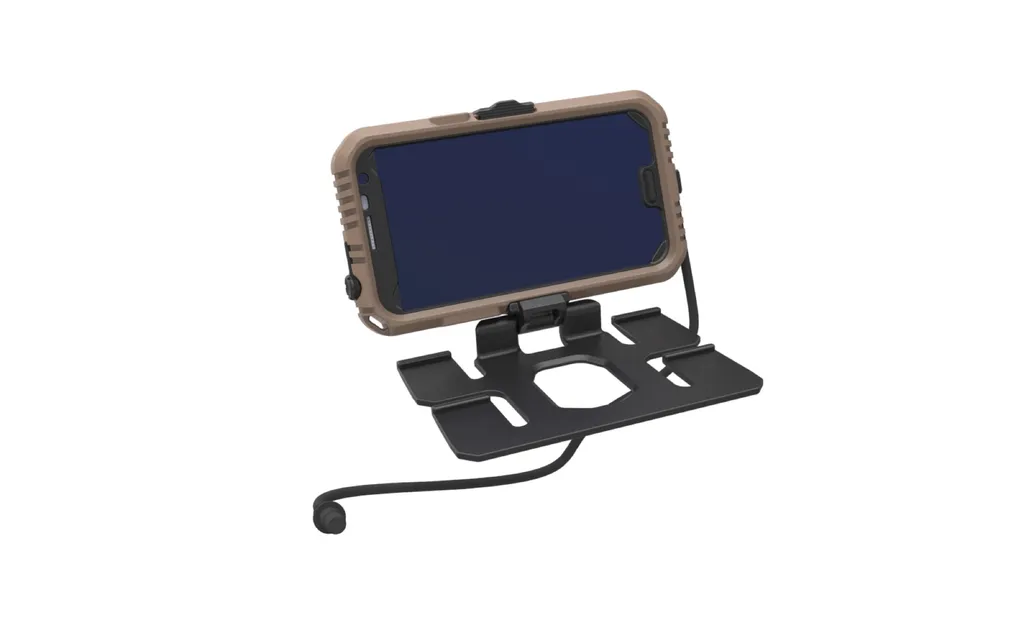
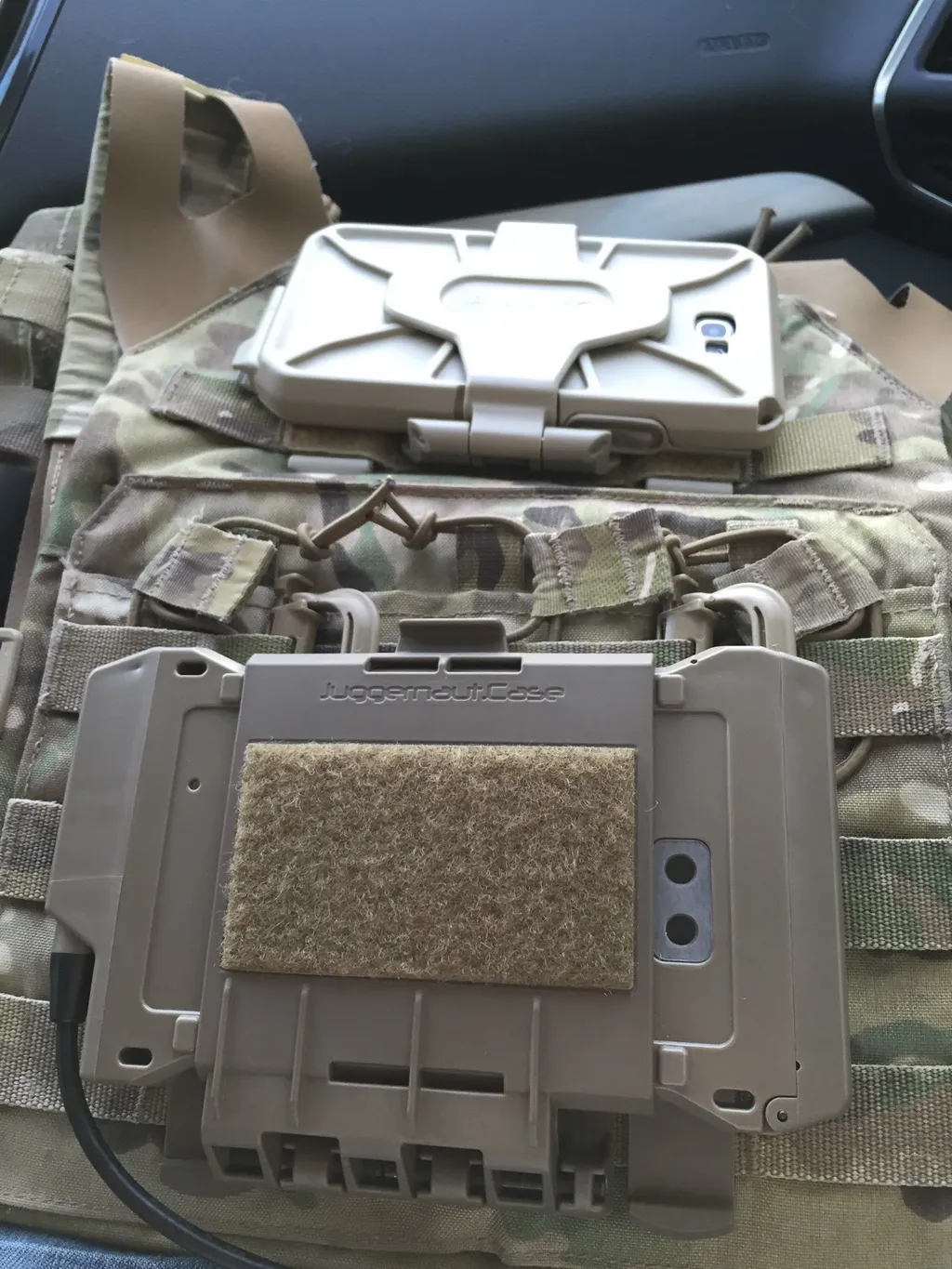
The key move: a hinge built for parachute-opening shock. The mount folds the case down off the chest so the soldier can read the screen, and that hinge is where the forces of a parachute opening concentrate. The case had to lock into the mount securely and still swing down.


Then I designed the rest of the system around it.
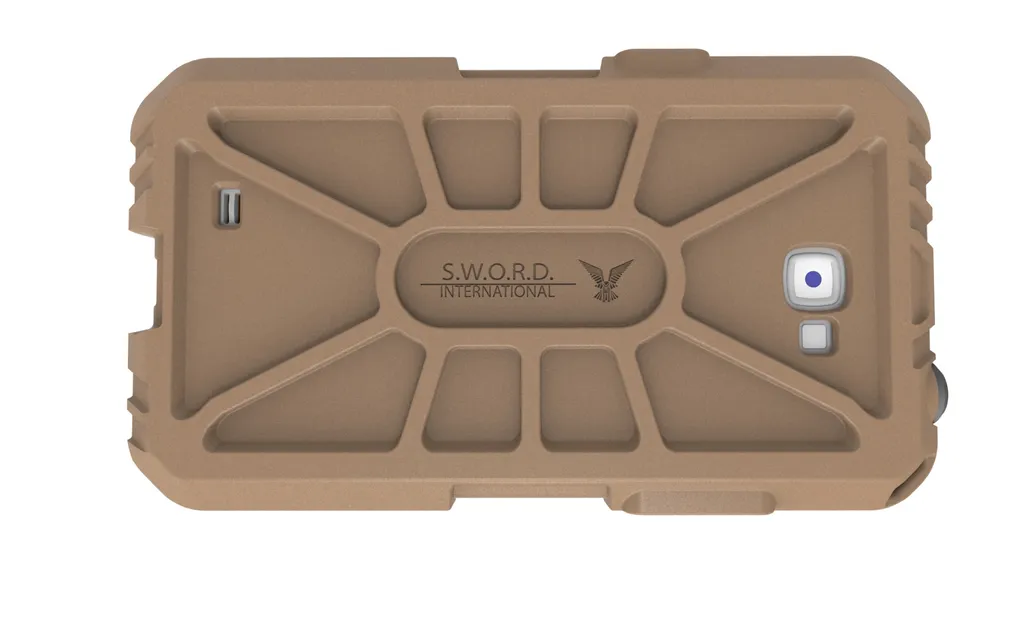
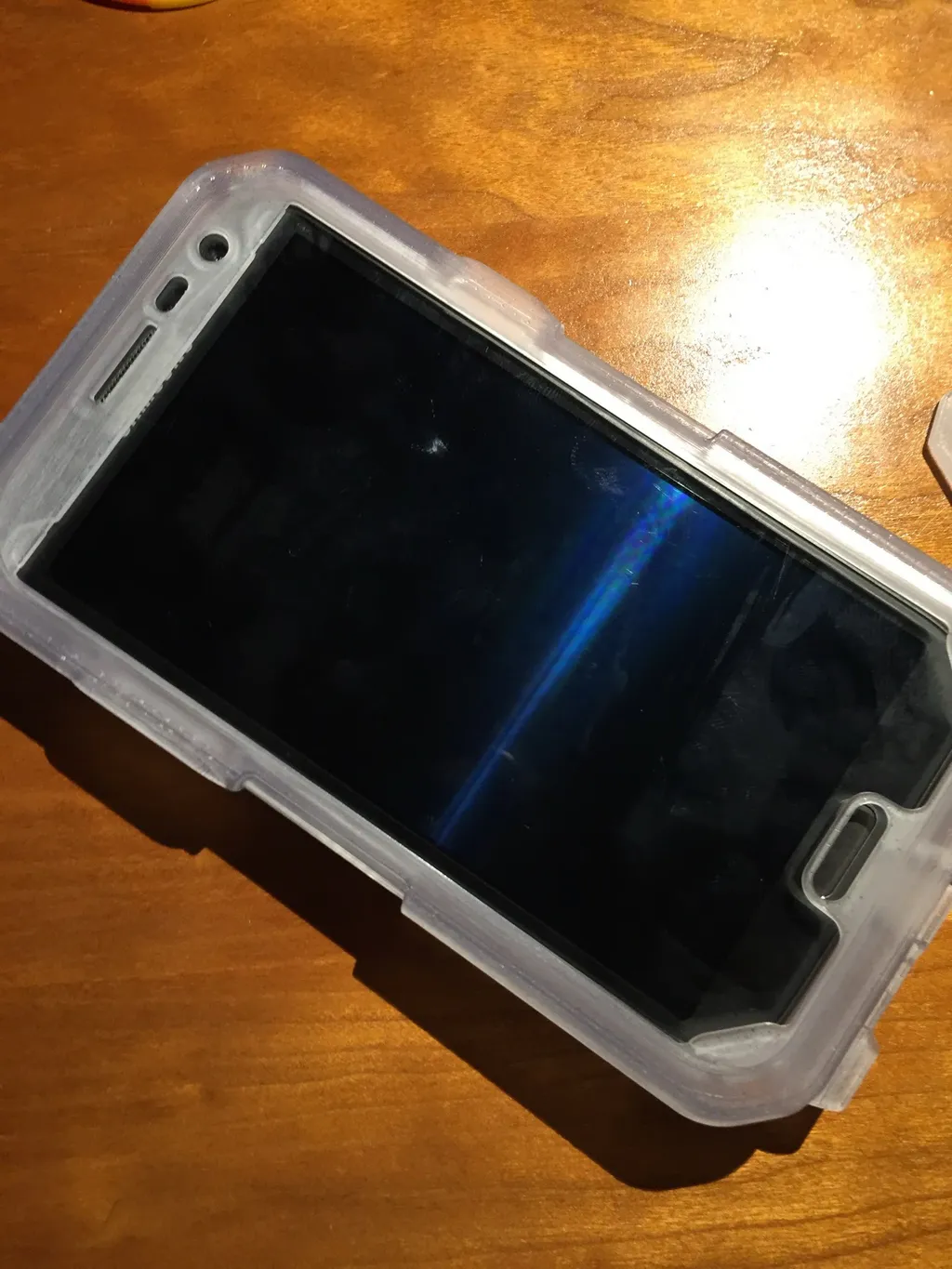
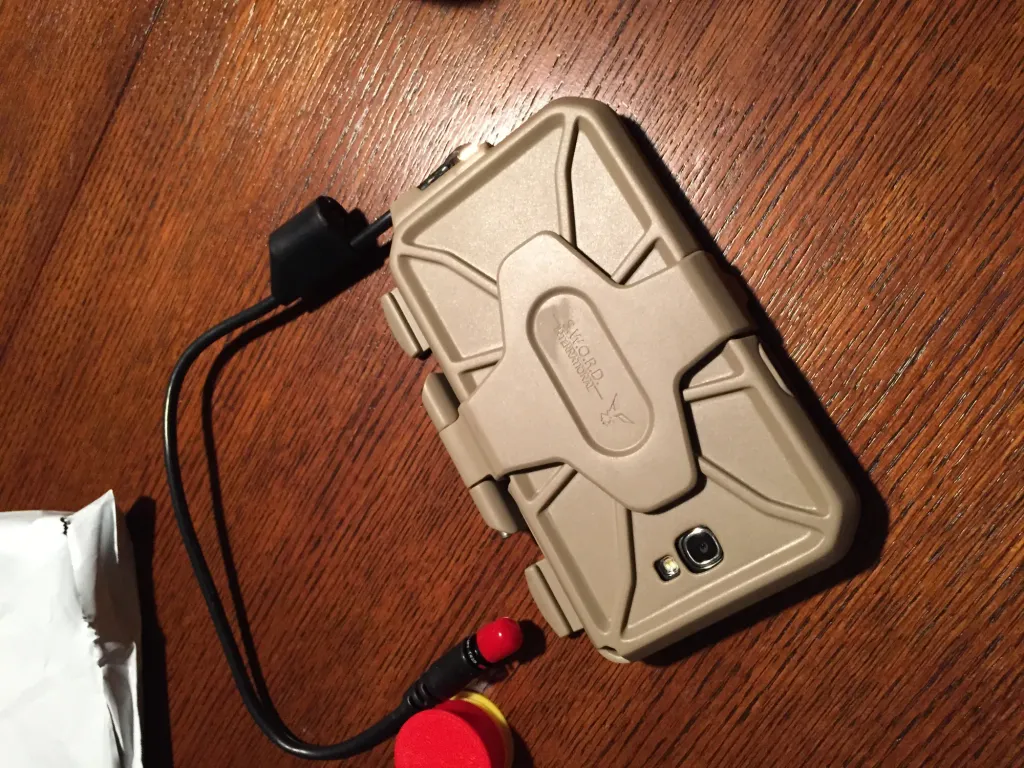
The case front and rear, the display seal, a perimeter gasket, and overmolded buttons, to seal the phone to the IP67 target.
- The clip that holds the case in the mount.
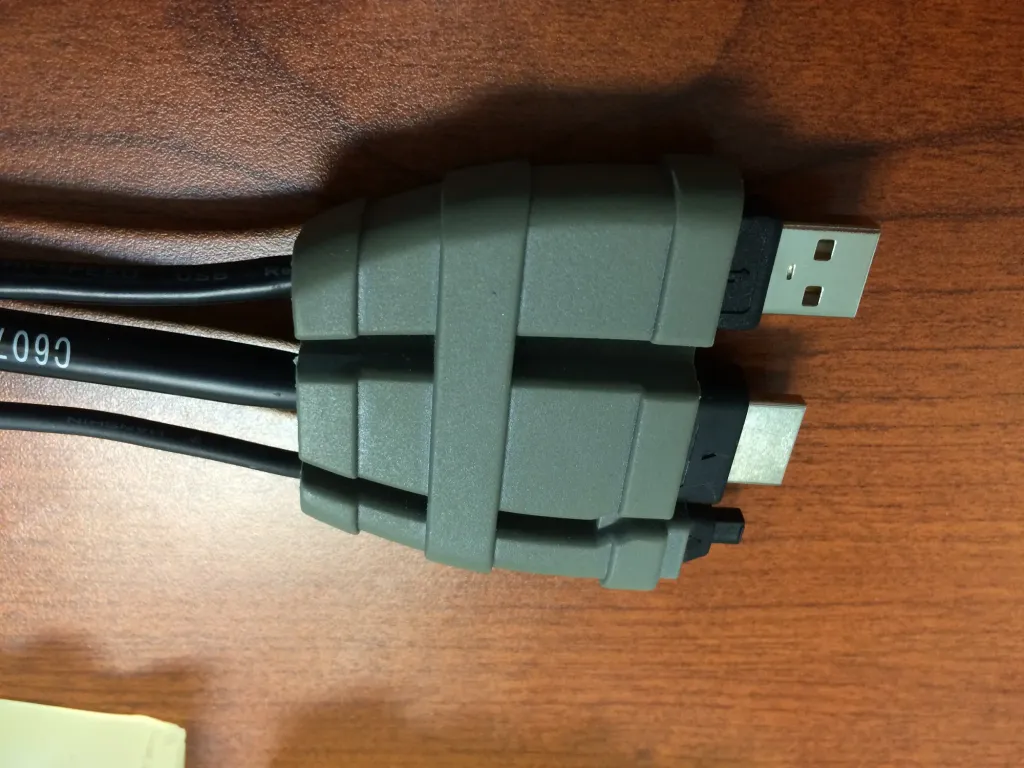
The overmold for a Glenair USB cable and connector, which carries the link to the soldier’s radio.
The MOLLE mount and its interface with the plate carrier, which I designed with Joe, a soldier advisor.
- CAD iterated through August 2014; the case assembly was saved for tooling in January 2015, and a manufacturing engineer completed the engineering from there.

Outcome
The case was made and reached soldiers. After engineering for tooling, a small early production run used urethane casting, a way of making low volumes of parts before committing to steel tooling.
6 months
My engagement ended after the early production run.
Review
This project taught me to pin down the scope of work in the contract before starting. It also showed how hard validation is when real-world testing isn’t feasible or available: you can’t easily schedule a parachute jump to test a hinge.